King Tree Specialists, Inc.
Our team helps you care for your trees so you can spend time enjoying what you love outside.
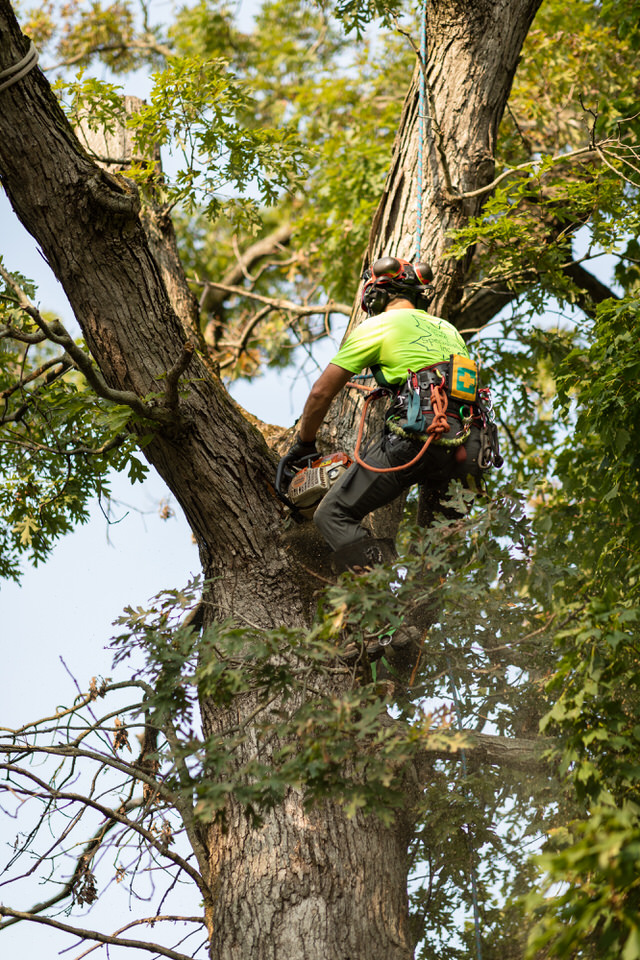
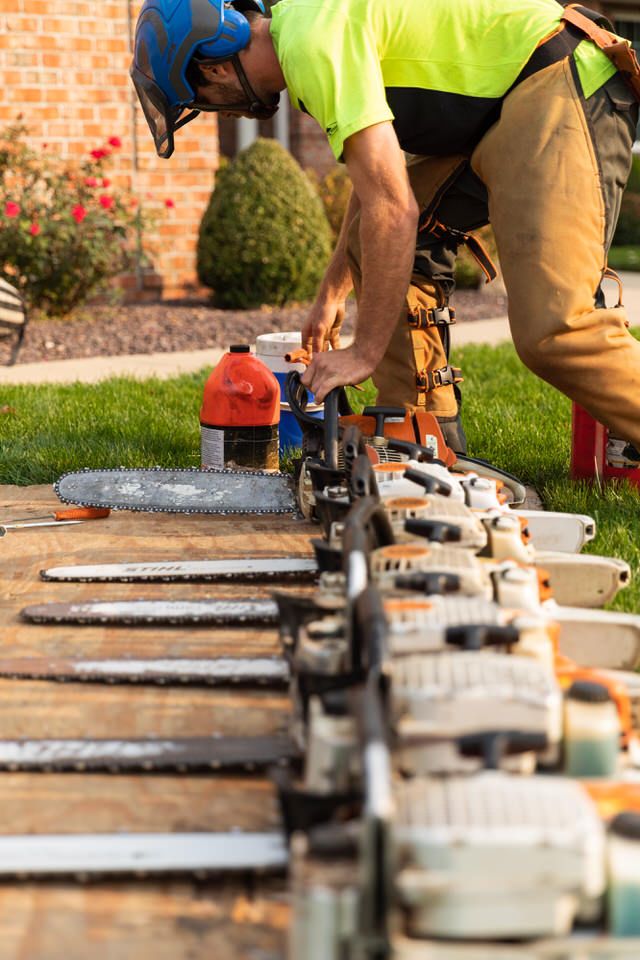
Experience the safest and most efficient tree care company
Serving Central Illinois
We’re not just another tree care company. We focus on a holistic approach to tree care. Our team is committed to helping you make the best-educated decision for your property. We take pride in caring for trees and treat your property as we do our own. At King Tree, Safety is a priority, Education equips us, Professionalism is expected, and Quality is guaranteed.
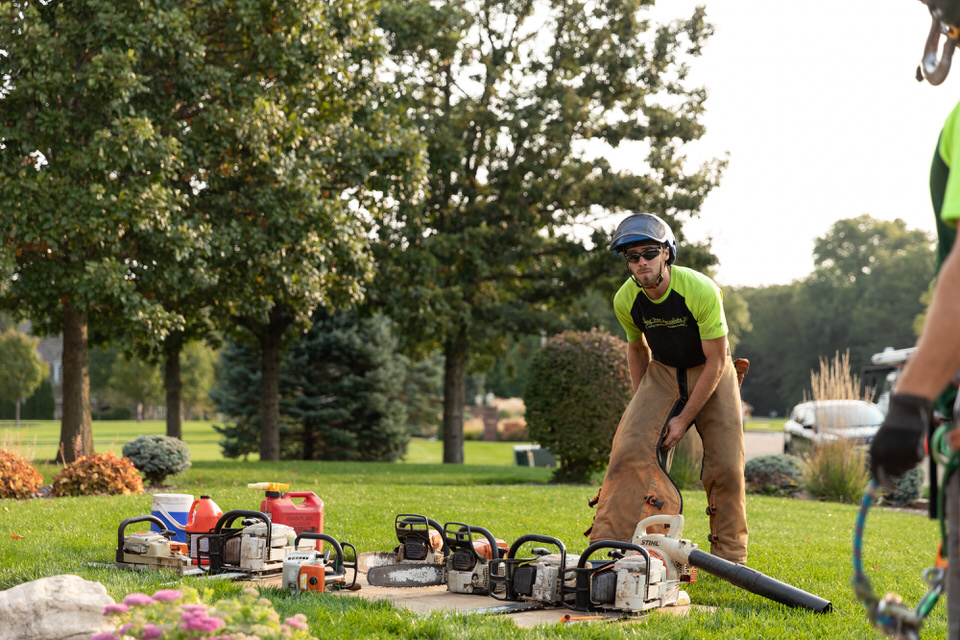
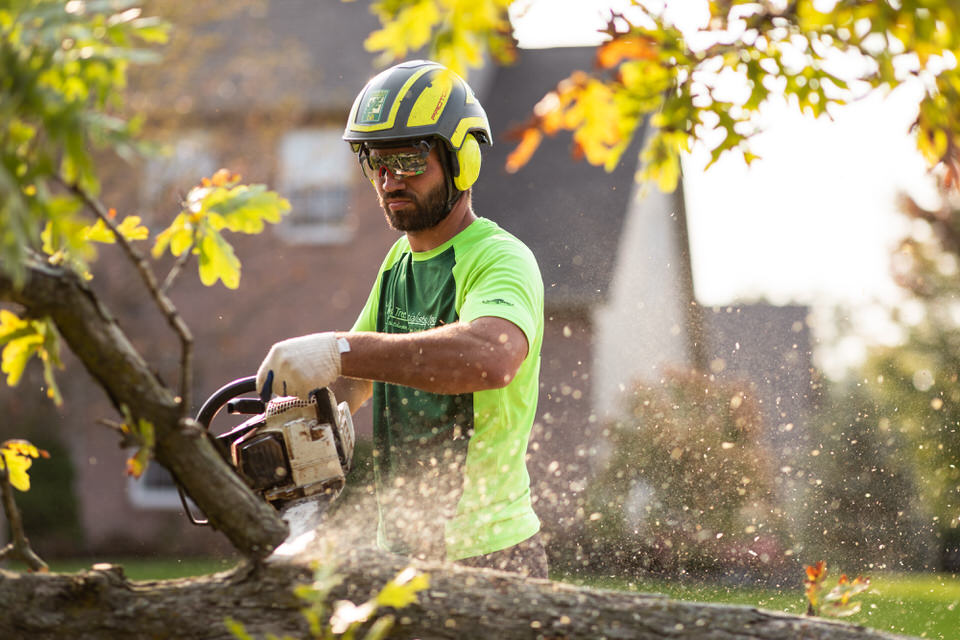

Reasons to Hire Us
Schedule a Consultation
Call now
Services we provide
Our professionals are trained in a wide range of services
Tree Pruning
Our team understands tree biology and we offer tree pruning that improves tree health, protects people and properties, and provides a strong structure and shape, all which provide aesthetic appeal to your property.
Trees are a valuable asset to your property and proper tree pruning is vital to maintain tree health.
Tree and Stump Removal
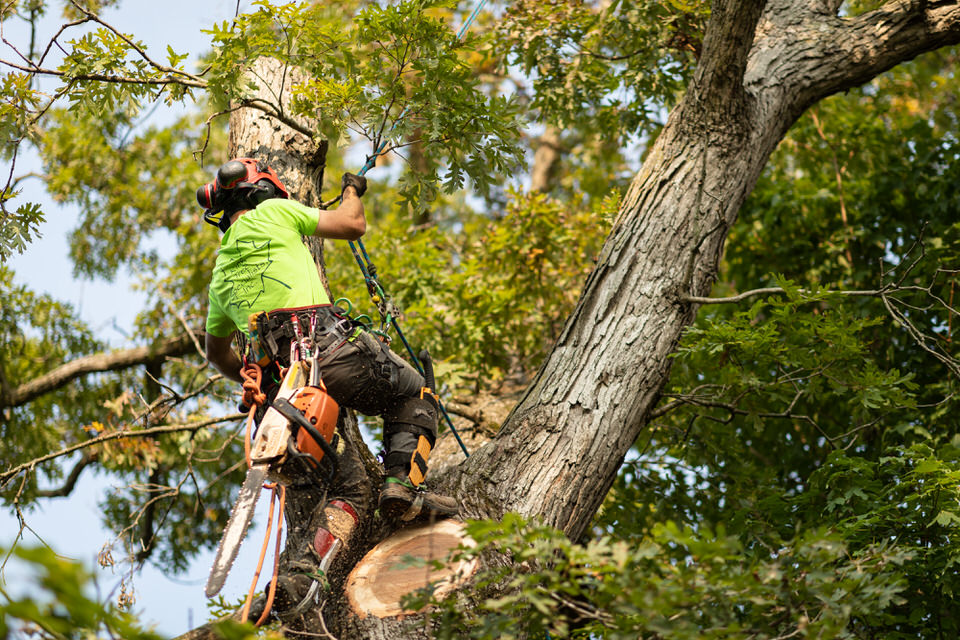
Our team is capable of removing the most challenging trees through means of technical rigging, crane operations, aerial lift, and advanced tree-climbing techniques.
We remove trees that are dead, structurally unsafe, infested with insects, or dying from disease. In some cases, trees need to be removed to open up space for more light, pool, or property development.
Insect and Disease Control
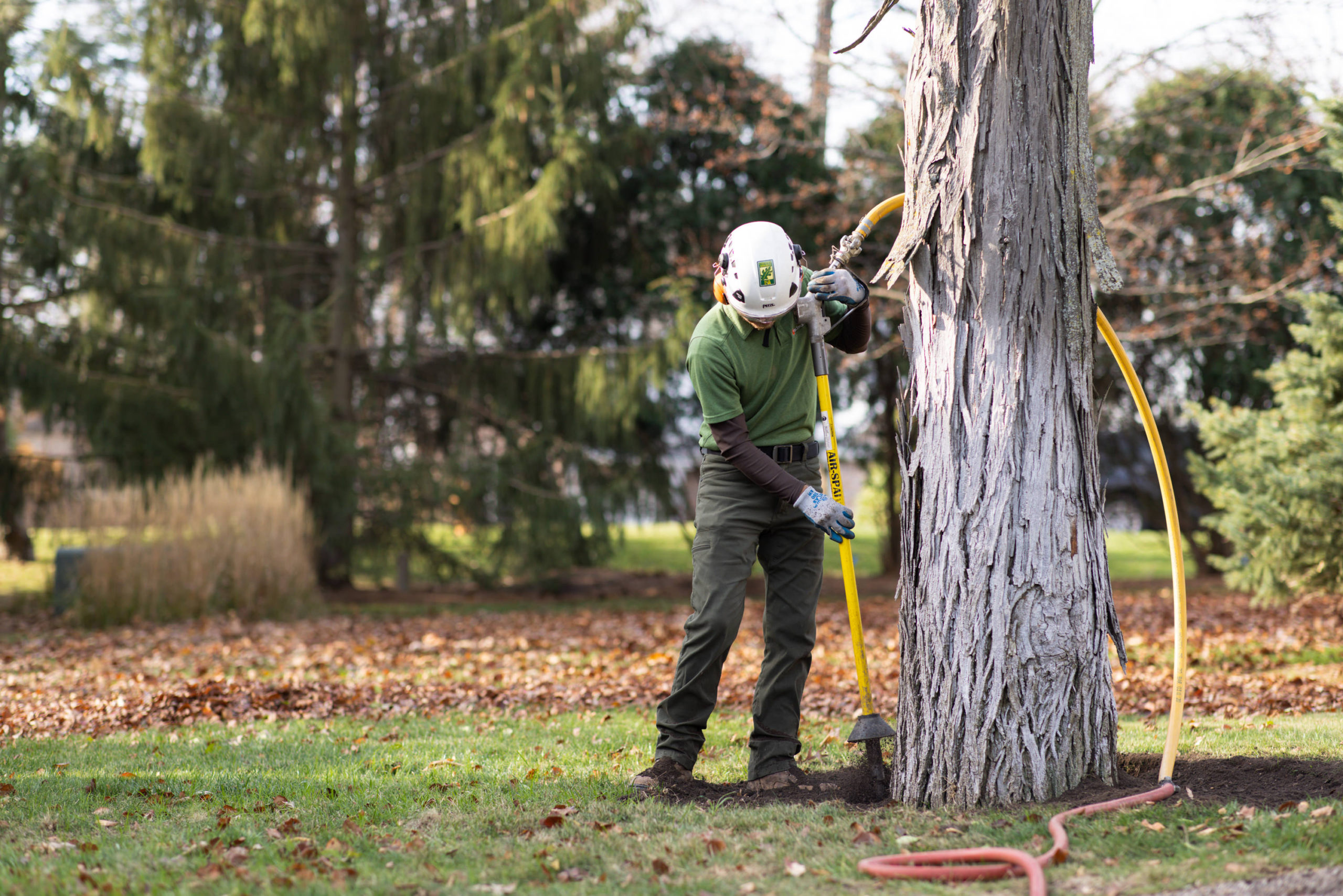
Maintaining a healthy environment around your home or property creates a desirable outdoor space. If any of your trees or shrubs are unhealthy, we can easily identify the reason for the disease and restore its health. We provide the most advanced treatments available in the tree care industry.
Emergency Service
Unexpected events will happen, resulting in damage to your property, we understand that, and we’re here to help.
We’re available 24/7 for emergency tree work. Our tree care professionals are highly trained to safely and efficiently remove hazardous trees restoring your property back to a safe environment.
Tree Support Systems
Over time, poorly developed tree structure can lead to tree or limb failure. Our Arborists are skilled to identify these potential threats. Installation of cable support systems and bracing rods are often recommended if reduction pruning is unable to reduce the potential risk of tree failure.
How it Works
We will walk you through the entire process.
Set Up a Consultation
Organize a time and date that is convenient for you.
Goals & Expectation
Our team will provide you with the safest and most efficient tree care methods available.
Create a Plan
Meet with a ISA Certified Arborist.
Enjoy Your Property
Spend time enjoying what you love outside.
Phone
309-925-2510
Office@kingtreespecialists.com